


🌿 Tremoli & Papasidero – a landscape of time and silence
Anyone driving through Contrada Tremoli today, just outside Papasidero, might not immediately notice it. The tranquility, the mountains, the gentle rhythm of the landscape reveal little. And yet here lies a place where layers of time accumulate, from prehistoric remains to medieval monasteries and the tranquil life of today.
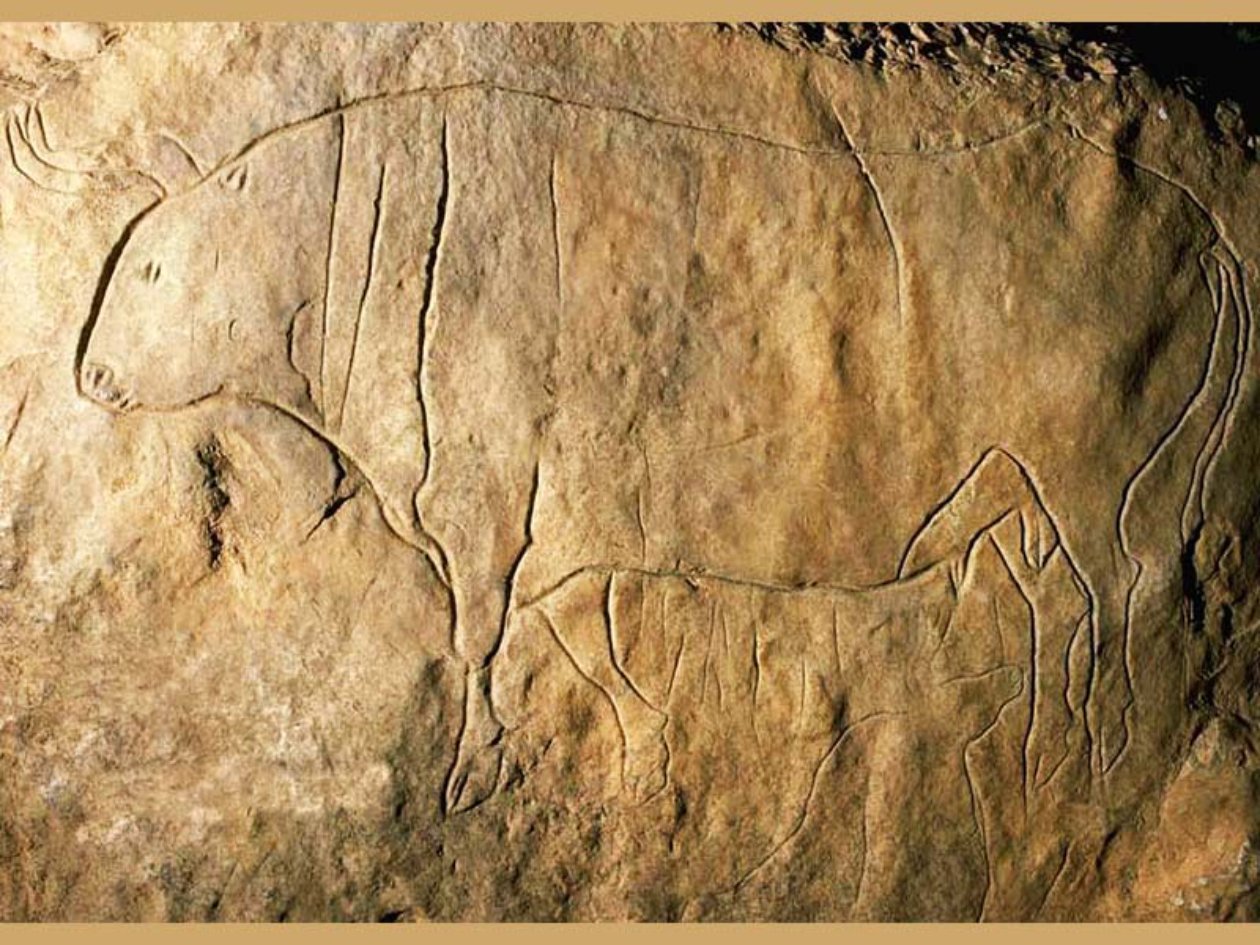
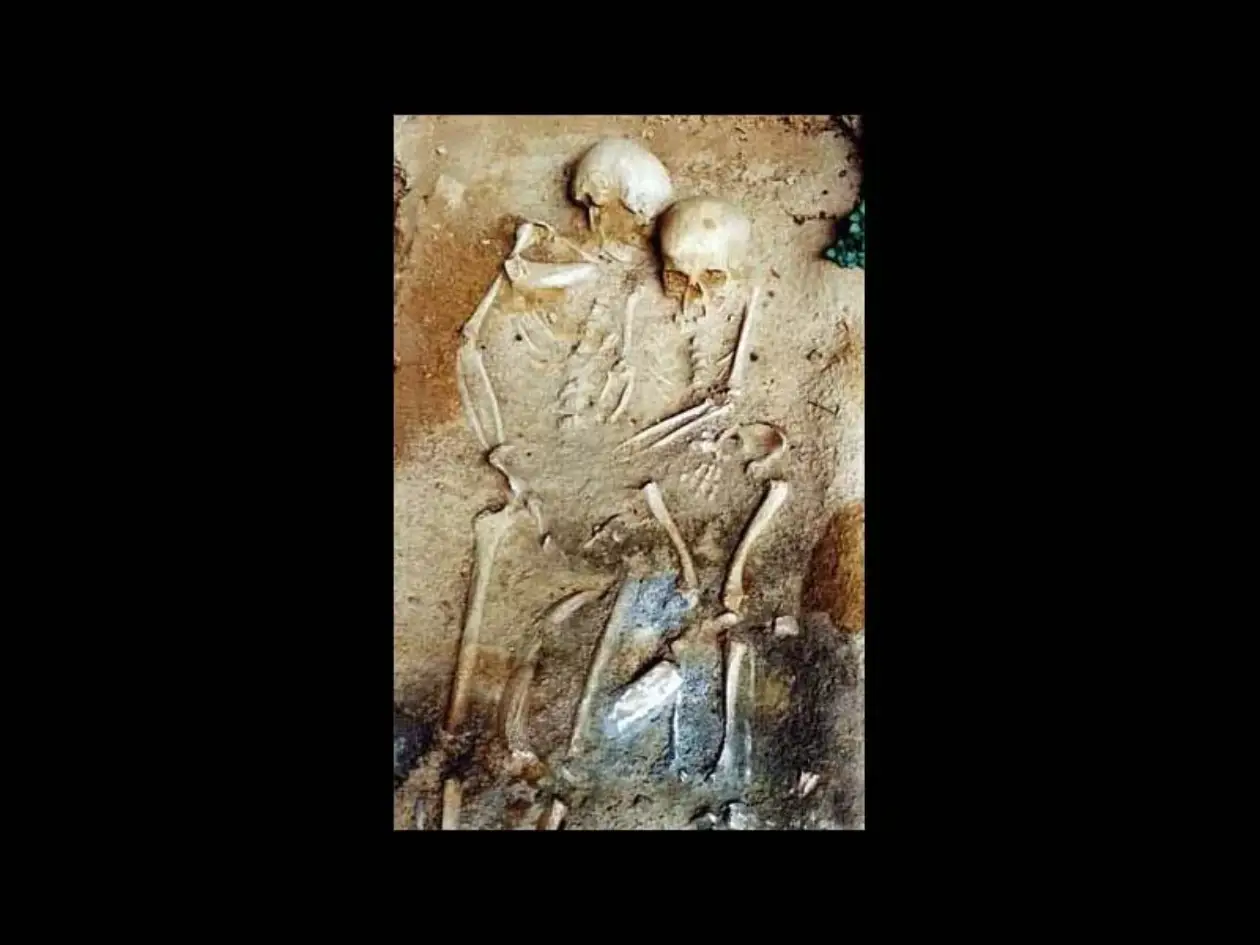
The area around Papasidero is among the oldest inhabited regions of southern Italy. More than 17,000 years ago, people found shelter here in the Grotta del Romito, a cave in the Lao Valley. They left engravings in the rock walls—including the famous image of an aurochs—and buried their dead. It's a place that still makes tangible today the deep roots of human presence here.
Centuries later, during the Byzantine period, the area took on new significance. Between the 8th and 11th centuries, Italo-Greek monks settled in this region. They sought seclusion, silence, and proximity to nature. The name Tremoli first appears in written sources from the 11th and 12th centuries, associated with a Byzantine monastery of San Nicola, which was donated to the Abbey of La Trinità della Cava. This moment marks the first official mention of Tremoli as a settlement.
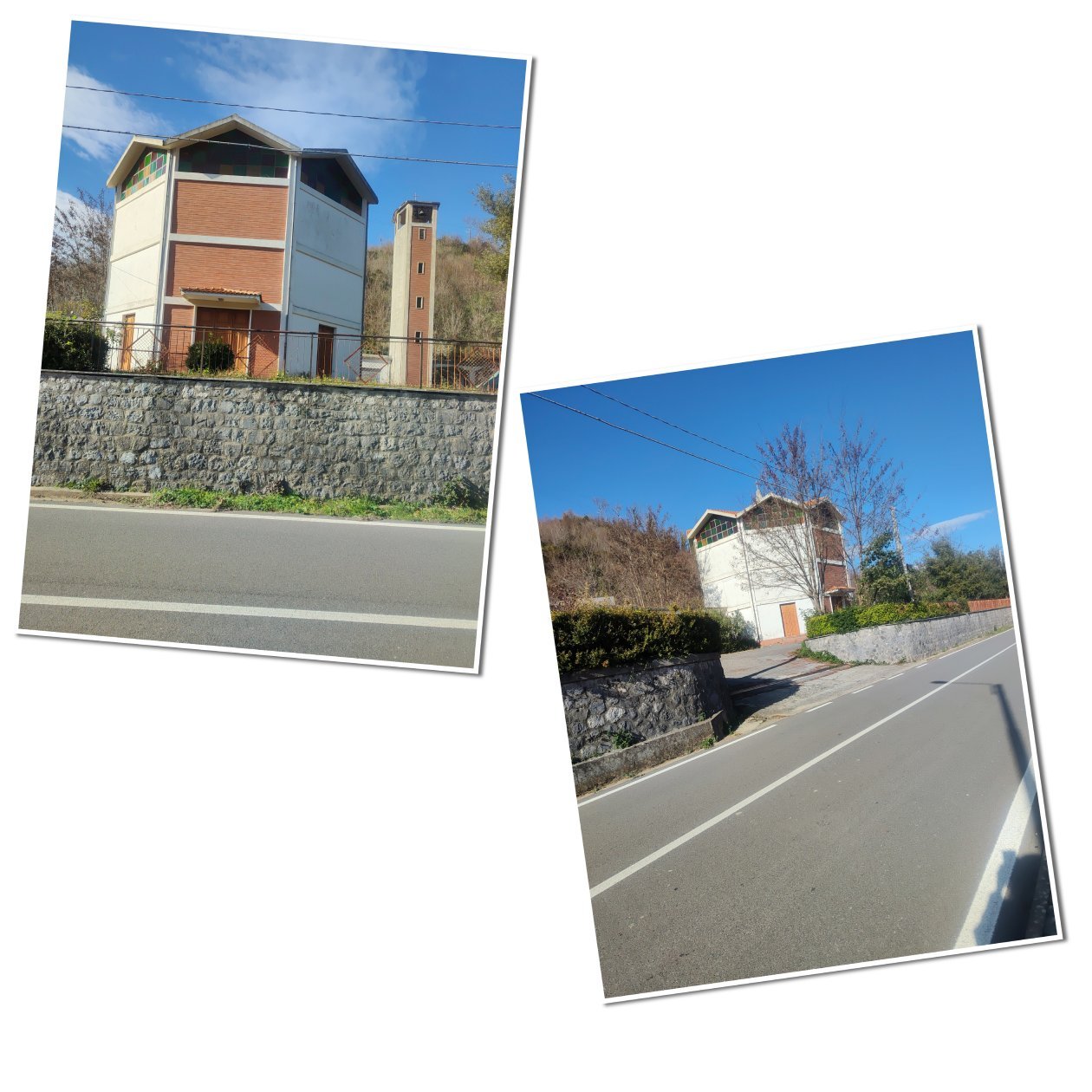
A small community slowly grew around this religious presence. Not a town, not a center of power, but a rural hamlet, shaped by agriculture, faith, and life with the seasons. That scale has always been preserved. To this day, Tremoli consists of a handful of houses, surrounded by greenery, with the church of San Michele Arcangelo as its spiritual center, a simple village church that has been part of local life for generations.
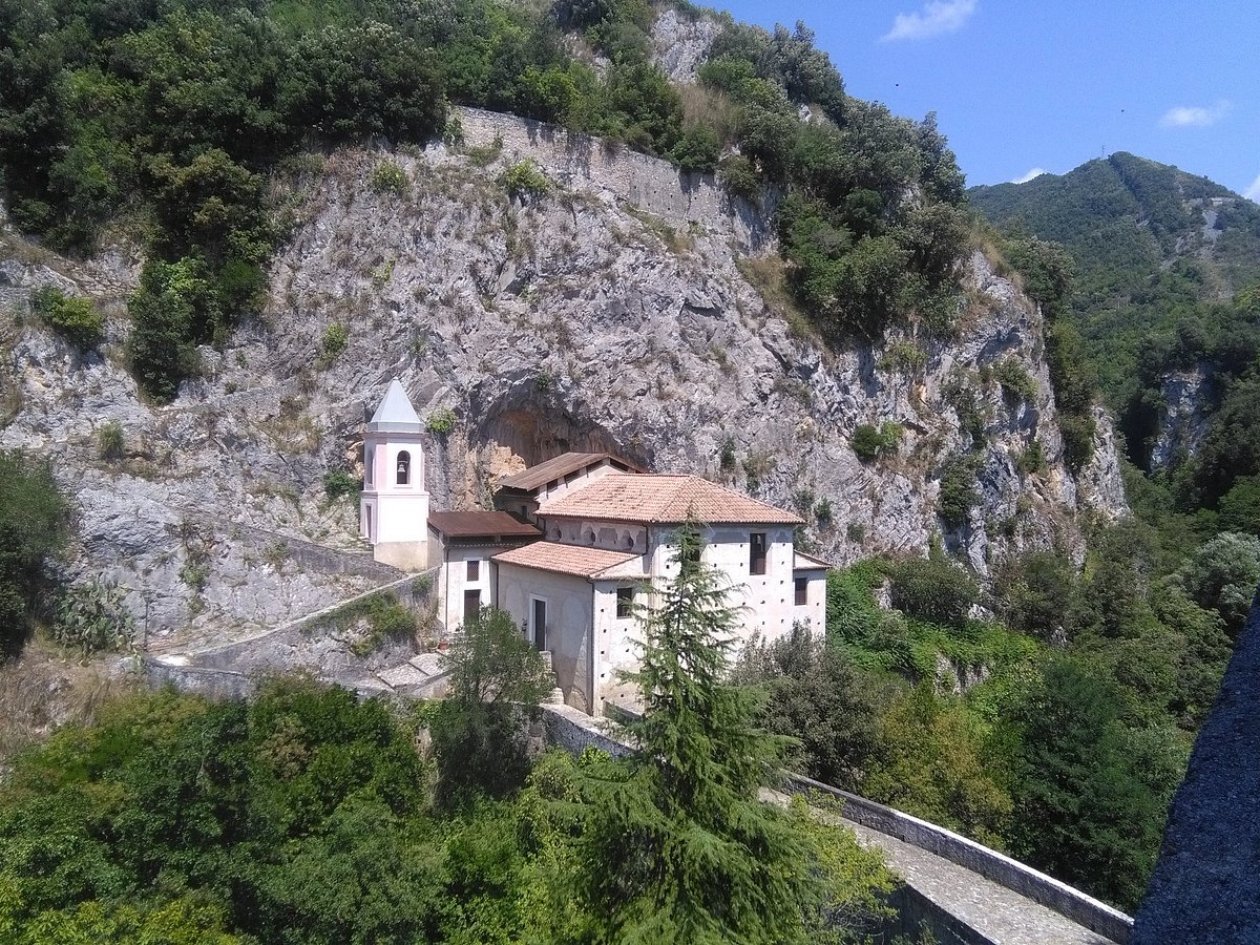
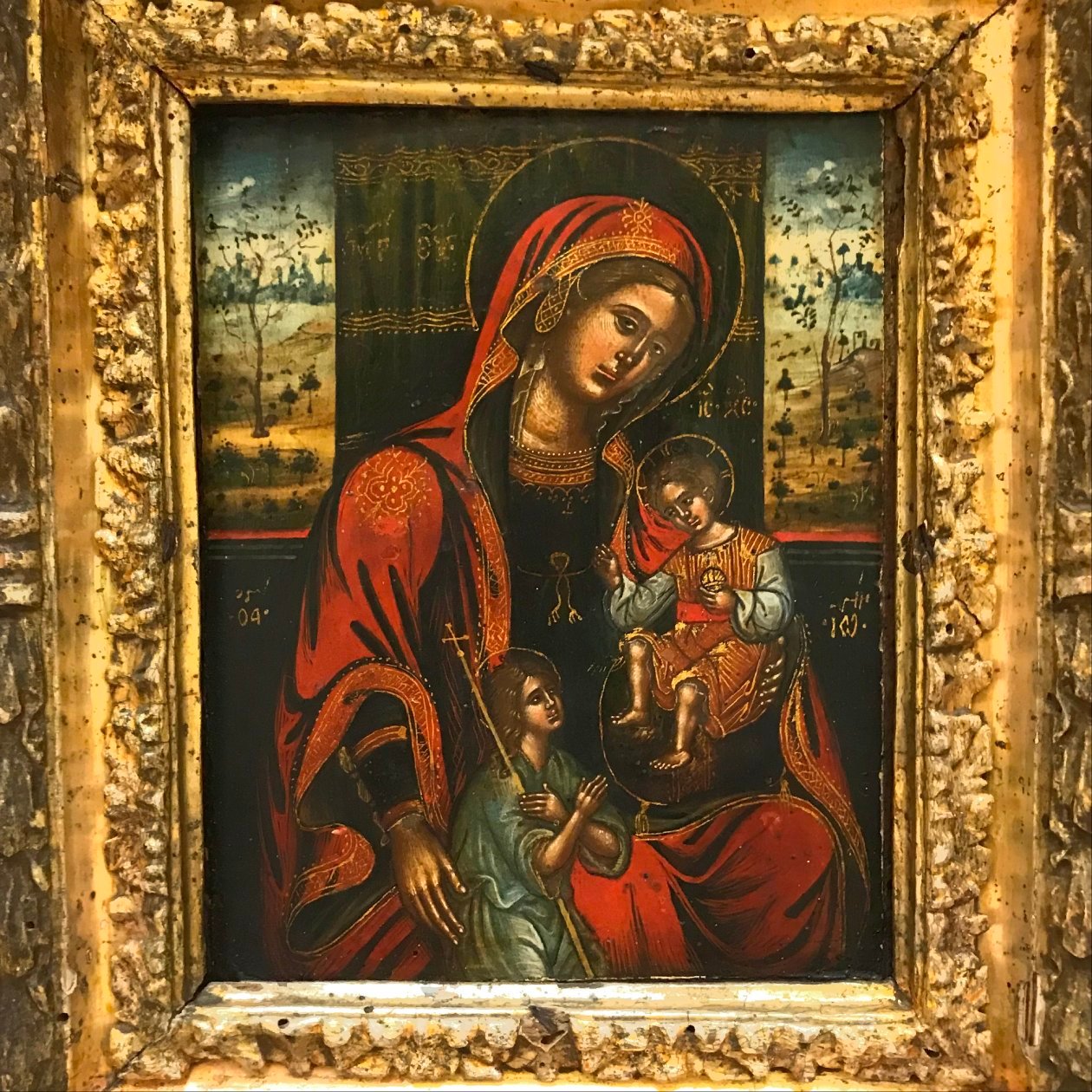
Papasidero itself also developed further as a village in the Middle Ages, with narrow streets, stone houses, and a strong connection to the landscape. The Sanctuary of Santa Maria di Costantinopoli, partly carved into the rock, recalls the enduring religious significance of this place and the centuries-old devotion still felt here.
So, when you stay at Contrada Tremoli today, you're not just at any address. You're in a place where prehistory, monastic silence, and rural life have intertwined. Where grandeur was never sought, but where there was always room for peace, simplicity, and connection with nature.
Perhaps that's precisely why this place still has such a special effect. The silence here isn't emptiness, but a legacy. And anyone who slows down for a moment feels that Tremoli isn't just a place on the map, but a story that has been gently passed down for thousands of years.
🏛️ 1. Church of San Michele Arcangelo (in Tremoli)
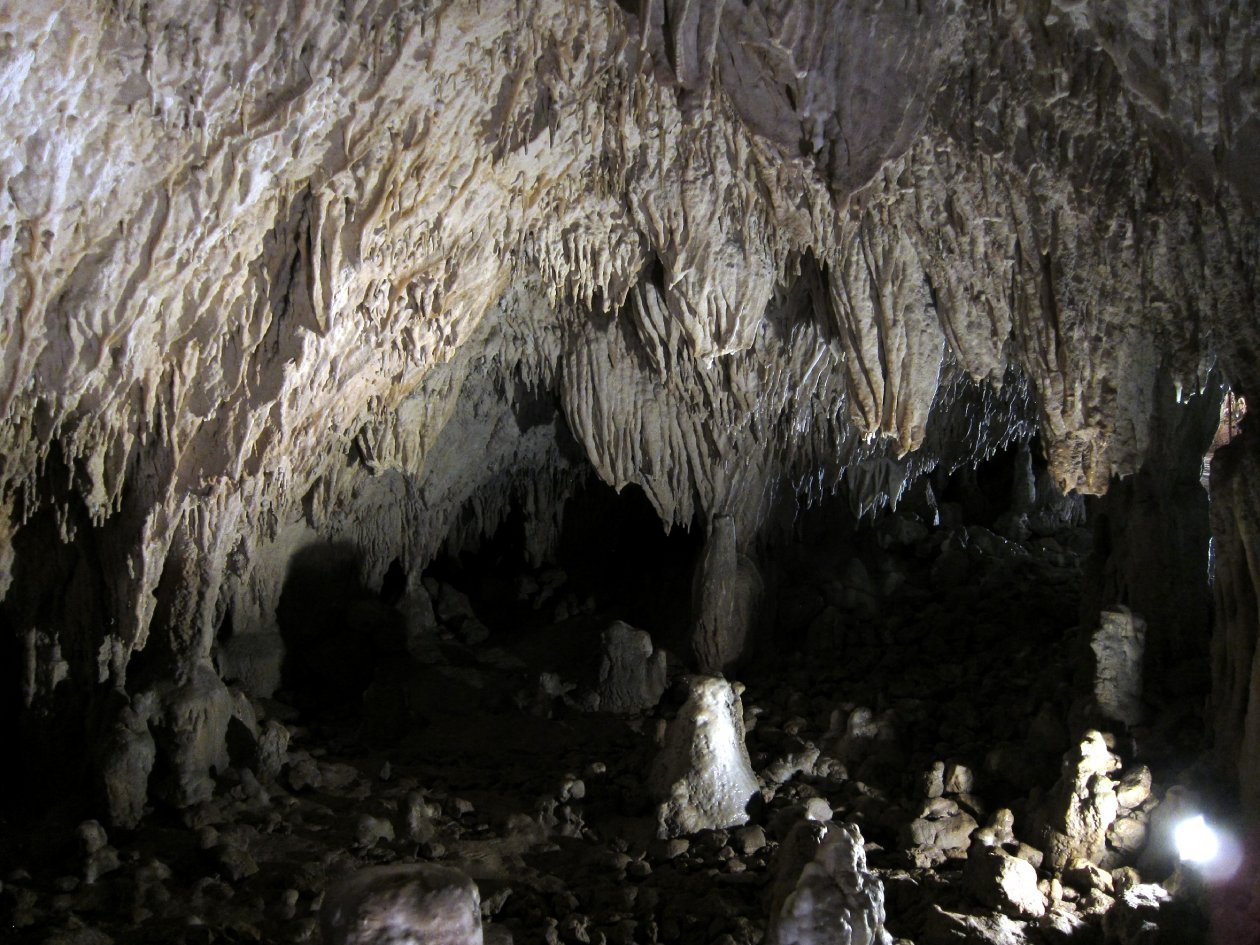
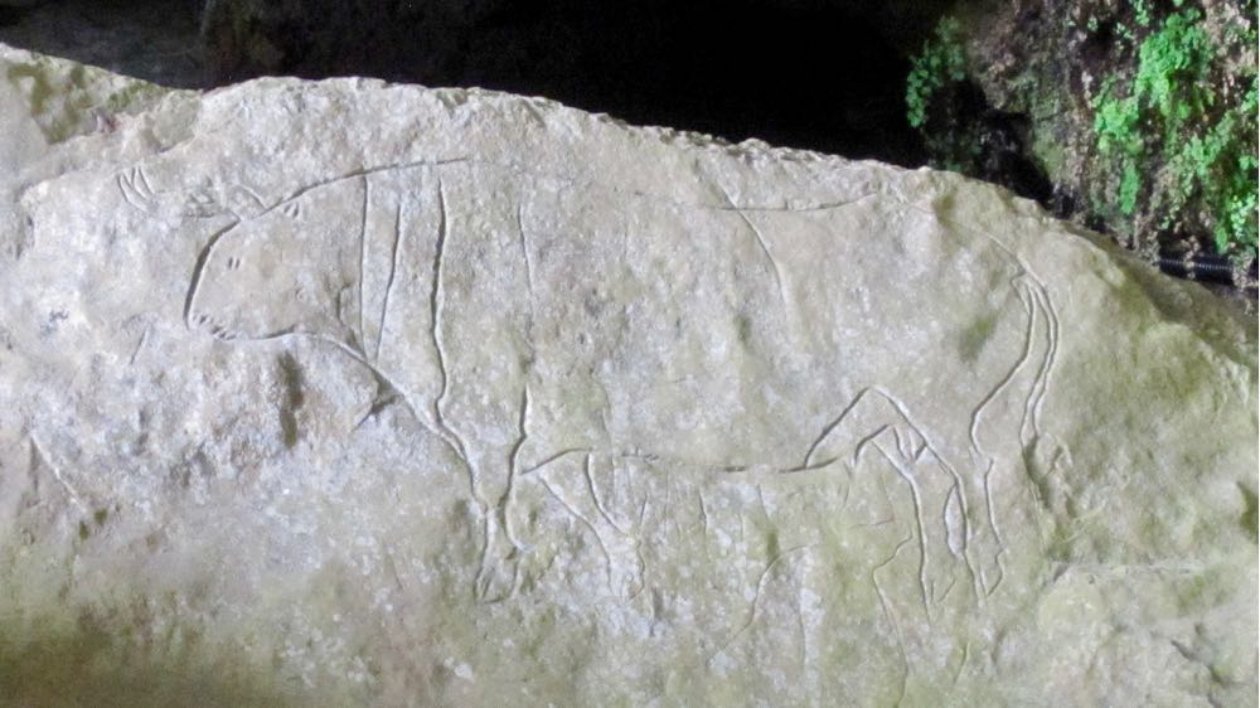
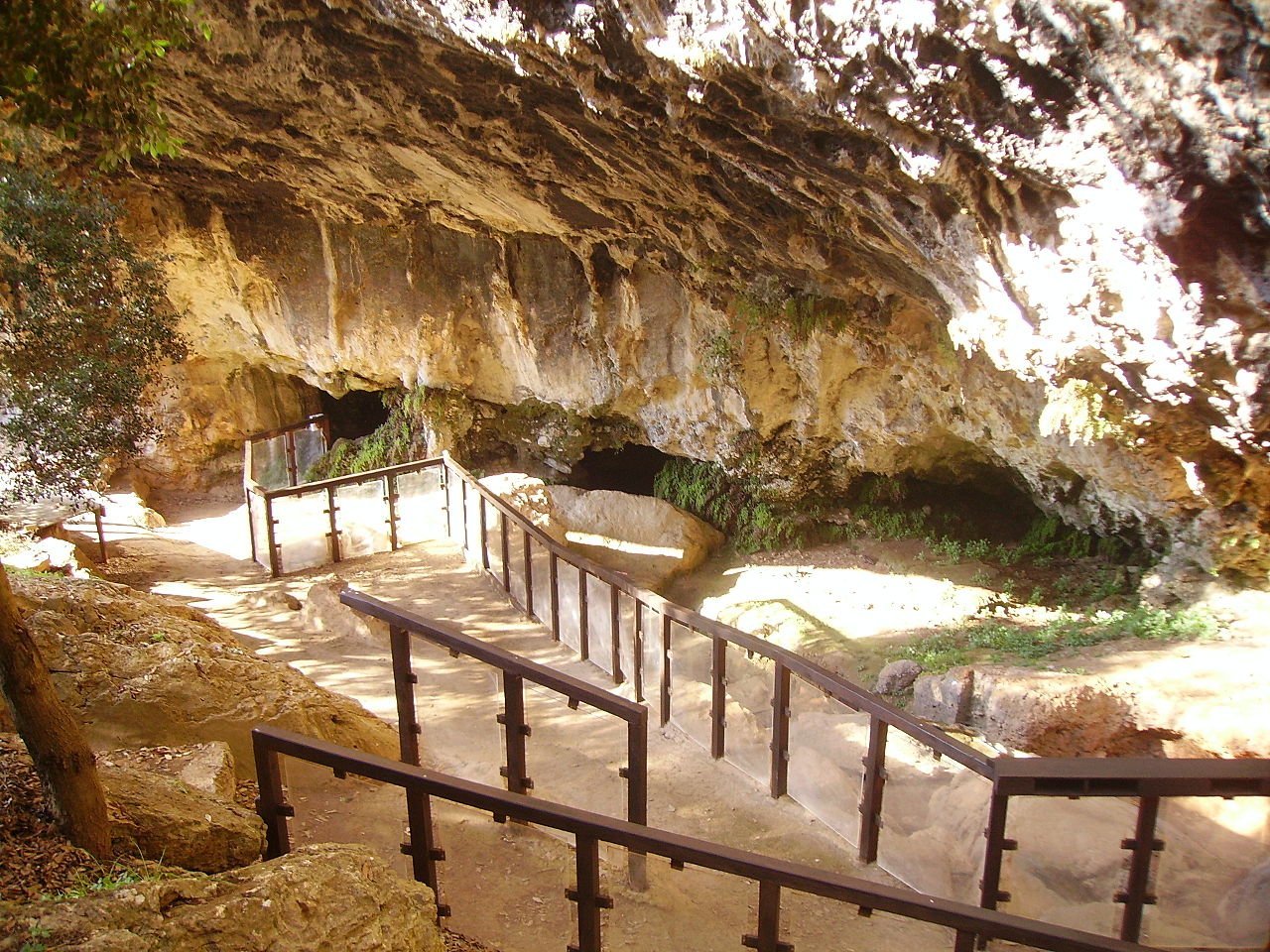
🕳️ 2. Grotta del Romito – Prehistoric cave and archaeological site
⛪ 3. Santuario di Santa Maria di Costantinopoli (Papasidero)
🏘️ 4. Ancient villages and archaeological context of Papasidero
🗺️ Brief overview of what can be seen
🧭 Tips for visiting or further research